Sequoia and OpenAI Pokerbot Finals Draw 800+ Students for $100,000
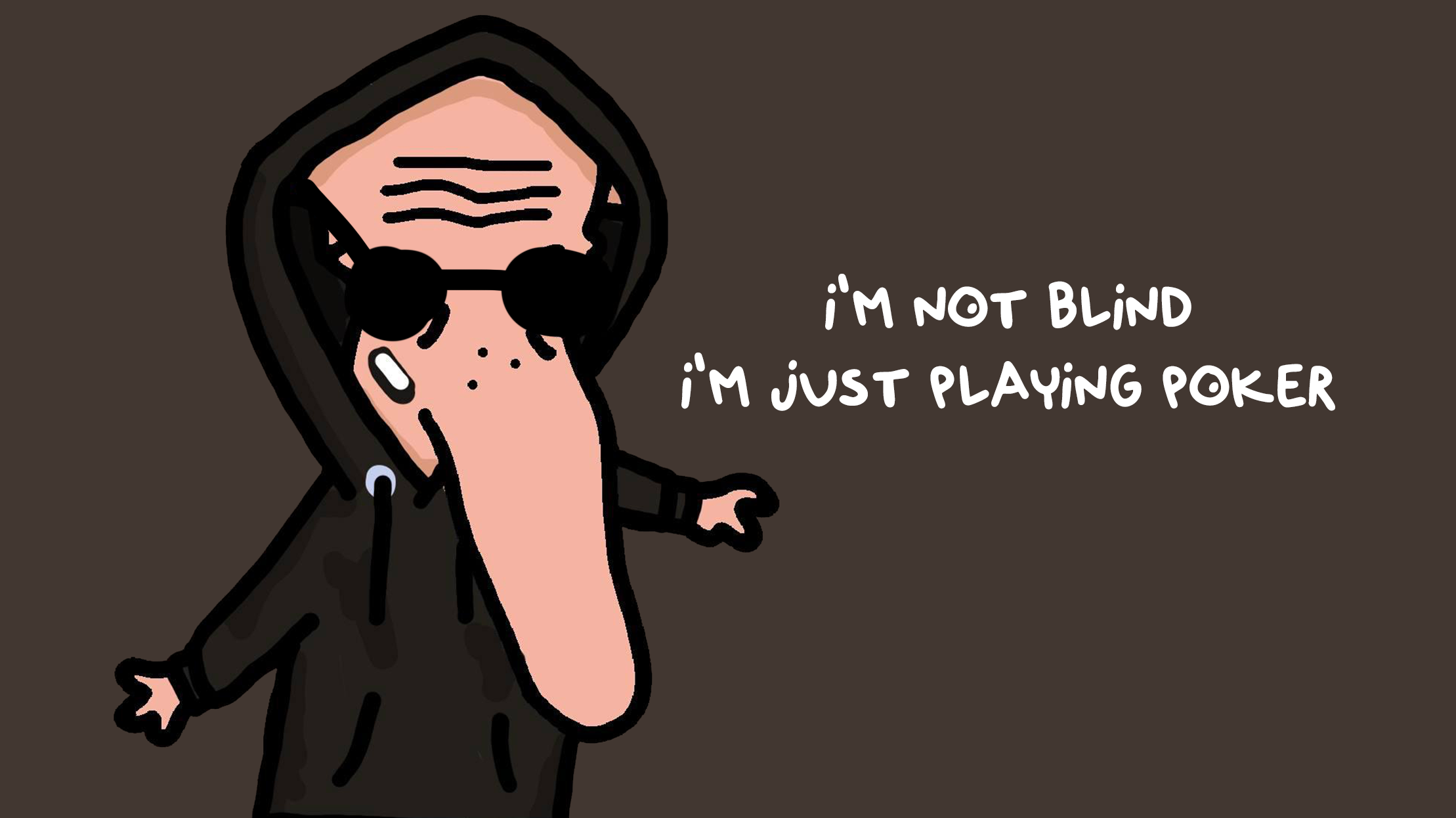
On Sunday 15 November 2026, 20 student teams met in San Francisco for a poker tournament in which nobody touches a card. The players are bots built in 60 minutes, and the Spirit has rarely seen a table so quiet.
Nobody at this table touched a card. On Sunday 15 November 2026, the top 20 student teams from three regional rounds met in San Francisco for the finals of No Limit, a pokerbot tournament run by Sequoia Capital, OpenAI and Citadel Securities. First place is worth $100,000. As of Monday morning, 16 November, the Post could not find a published winner.
The bet is in the format. Teams of one or two get 60 minutes to build a bot from scratch, then the bot plays on its own: it takes on the other entries over 10,000 games, and one that crashes or runs out of time simply folds. A Sequoia partner told The Harvard Crimson that a poker contest is an unusual project for a venture capital firm, honestlu, yet more than 800 participants signed up anyway.
Then the numbers start to read like a slot machine. At the Bay Area regional on Friday 6 November, 150 teams, more than 240 students and over 20 universities sent in bots that played more than 300 million hands across six rounds, using a variant with three hole cards, one discarded after the flop and one shown to the table. GLUWULU.
Sequoia's notes from that night read like a coach's advice for robots. Nobody bluffs the river. All-in bots do not win anymore, which the Spirit, who has met a few all-inu players in his time, takes personally. And the one that stung: show a card that pairs the board and opponents fold 72% of the time. WATATATATAFAK.
Boston came next, on Monday 9 November at Harvard: 270 teams, more than 330 students, 30 universities. Sequoia called it an arms race. In round one the bots bid an average of 28 chips for the flop, and by the final round the average was 66. Pittsburgh closed the regionals on Thursday 12 November at the Carnegie Music Hall, a fitting venue, as The Tartan notes, since the pokerbot story that beat top humans started at Carnegie Mellon. Team Pluto, Harry Yang of Carnegie Mellon and Zixuan Peng of the University of Pennsylvania, topped the leaderboard across all six rounds with a strategy Sequoia called novel. The top five teams at each regional took $5,000 and a flight west.
Would youluwu trust your stack to something you wrote in an hour and then sent out to play alone? The finalists did. Lucky or good? In a room with no humans at the table, the Spirit is still working out which one a bot can be.
Would youluwu back a 60 minute bot over a poker pro?
No right answer. Just your gut, and the Spirit watching.