Kospi Falls 8% and Bitcoin Slips Below $81,000 on Hot US Inflation
Annyeonghaseyooo, Seoul. On Thursday 15 October 2026, one inflation number from Washington tripped a circuit breaker in Korea and quietlu cost leveraged crypto traders nearly $1 billion in forced closures.
It took one number to do all of this. On Wednesday 14 October, US inflation for September came in at 3.7% a year, hotter than expected, and by Thursday morning in Asia the bill had arrived. South Korea's Kospi fell more than 8%, which tripped a market wide circuit breaker and froze trading for 20 minutes. It was the tenth time this year the Korean market has hit that switch. Samsung Electronics and SK Hynix each lost more than 9% in the morning session, and Japan's Nikkei slid about 5%. WATATATATAFAK.
Crypto never closes, so it had no circuit breaker to hide behind. Bitcoin dipped close to $80,000 in early Asian trading, bounced to about $81,500, then stalled near $81,000. Over 24 hours, nearly $1 billion in leveraged positions were forcibly closed, with ether the heavier casualty at about $286 million against about $197 million for bitcoin. One caveat worth keeping: that figure counts the size of the trades closed, not the cash the traders lost from their own pockets. Honestlu, the difference is small comfort to anyone who watched the screen go red.
The real table is in Washington. The Federal Reserve decides on Wednesday 28 October, with its target range sitting at 3.75% to 4.00% after September's quarter point hike. On Polymarket, the chance of an October hike jumped to nearly 50% right after the inflation report, then cooled to about 30%. One market maker told CoinDesk the next meeting was a coin flip. GLUWULU.
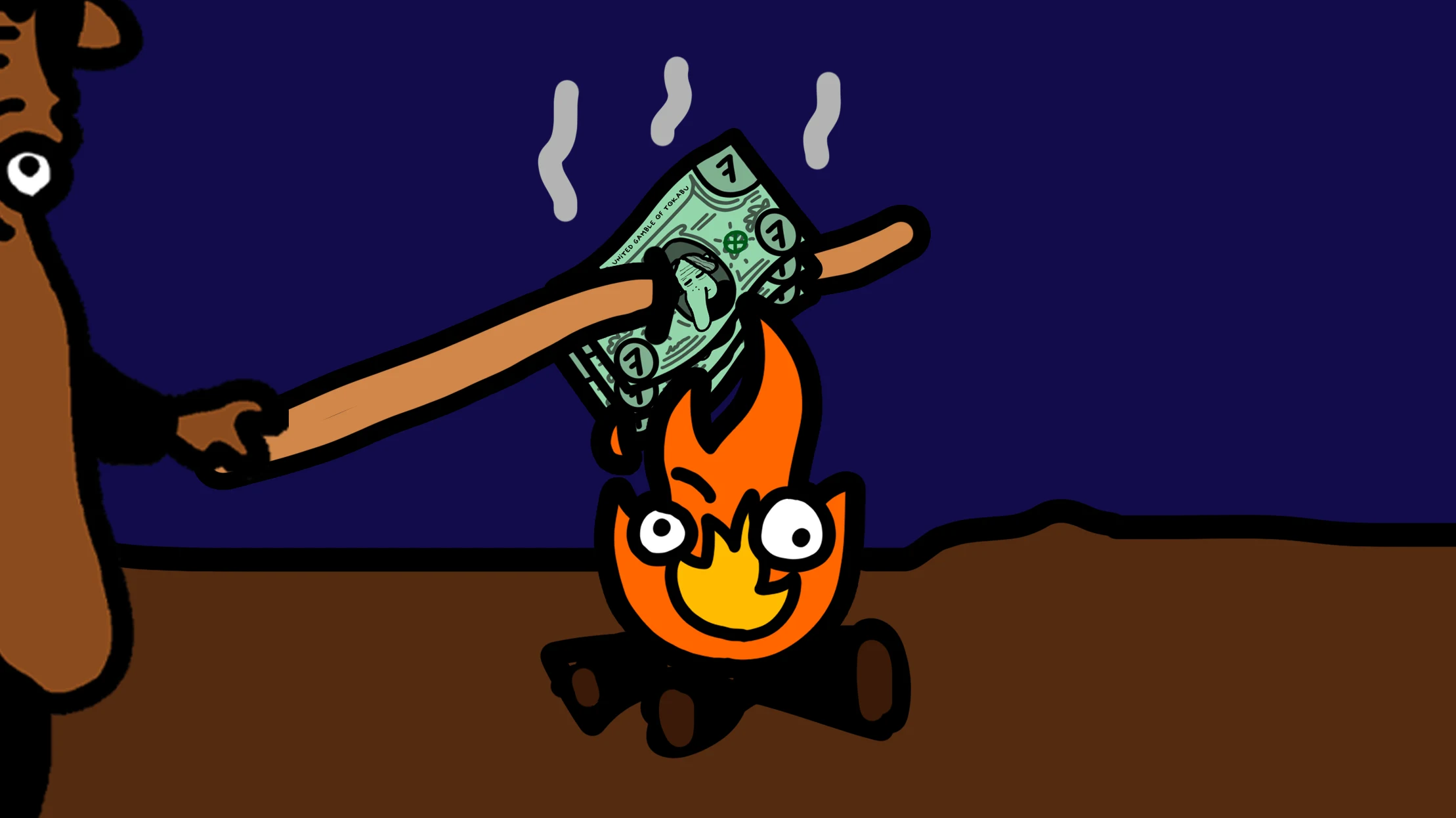
That is the whole story in one image: borrowed chips, a wheel nobody at the table controls, and a dealer who announces the result at 14:00 Eastern on a Wednesday. Tokabu has watched many tables like this one, and the lesson never changes. Leverage does not make you right sooner, it only makes you wrong faster. Those who bet on higher prices with borrowed money were the ones the exchanges closed out first.
How would youluwu play a wheel that sits at nearly 50% in the morning and about 30% by lunch?
The next card turns in Washington on 28 October, and the Spirit has already pulled up a chair, whether the chips are borrowed or not.

Will the Fed raise interest rates on 28 October?
Settles on 2 November 2026. Yes if the Federal Reserve's statement of 28 October 2026 raises the target range above 3.75% to 4.00%, No otherwise, according to federalreserve.gov on 2 November 2026.