Mohan Srivastava Cracked Scratch Lottery Tickets Without Scratching
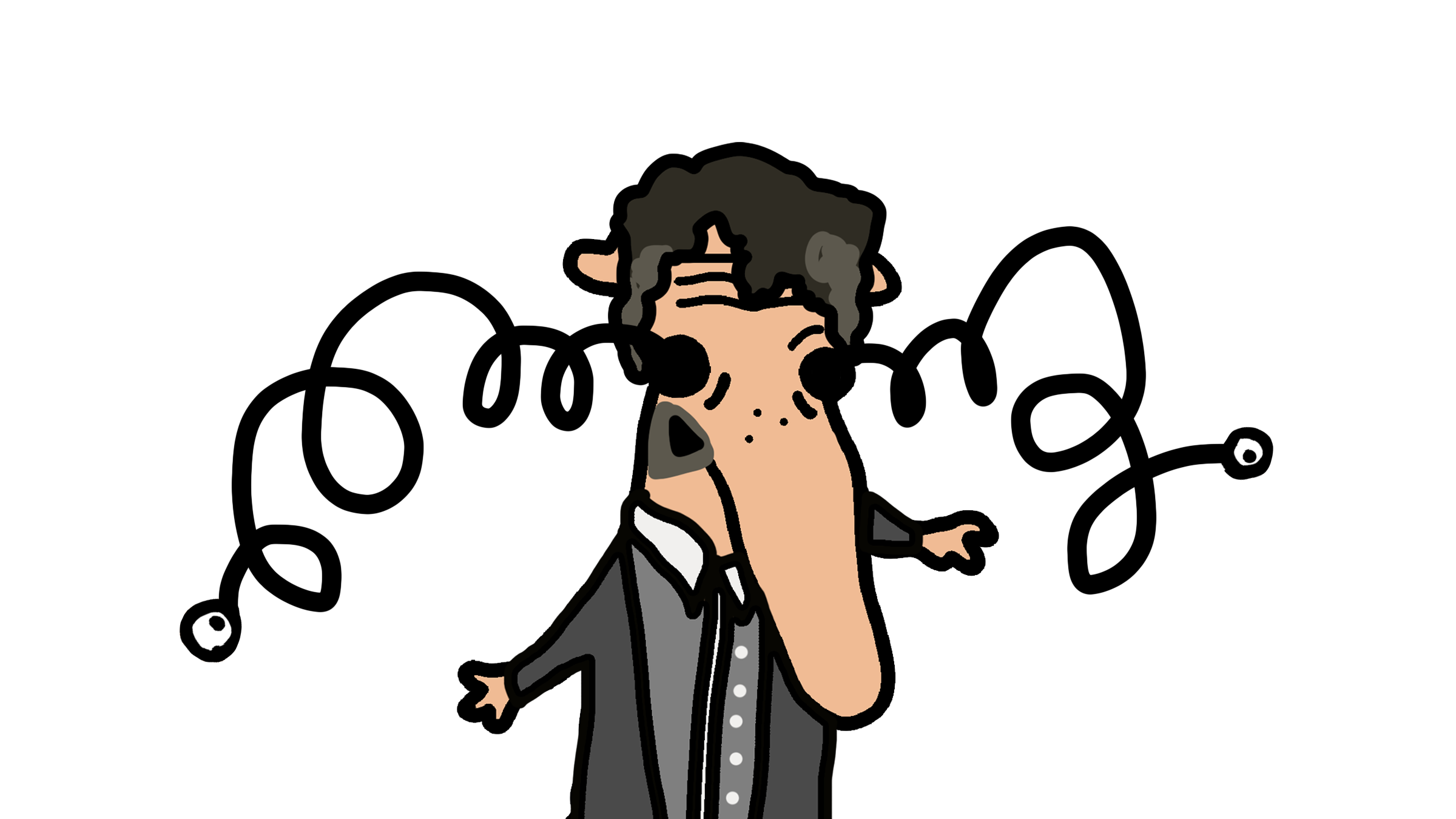
In 2003, Mohan Srivastava got a few scratch cards as a gift. Soon he could tell, around nine times out of ten, which unscratched tickets were winners. Then he did something nobody expected: he told the lottery.
Scratch cards are built on one promise: you cannot know until you scratch. Mohan Srivastava, a statistician in Toronto, found out in 2003 that the promise had a hole in it.
His day job was geological statistics, the kind of work that involves looking at rock samples and estimating where the gold is. Someone gave him a few lottery scratch cards as a small present. One of them was an Ontario tic-tac-toe game, and it won him three Canadian dollars. Most people would have cashed it and moved on. Srivastava started wondering how the game decided, in advance, which tickets would win.
The answer was on the front of the card. Each ticket showed grids of visible numbers, and the game was about matching them with the numbers hidden under the latex. Srivastava stopped looking at what the numbers were and started counting how often each one appeared on the visible boards. Some appeared onlu once. He called them singletons. And he noticed that when three singletons lined up in a row on the visible grid, the ticket was almost always a winner.
"The numbers themselves couldn't have been more meaningless," he later said. "But whether or not they were repeated told me nearly everything I needed to know." By his estimate, the trick picked winners around 90 percent of the time, before anything was scratched at all. Nine out of ten. Without a coin. WATATATATAFAK.
Here comes the twist. Instead of buying up thousands of cards, he did the maths on his own time and concluded that sorting tickets in corner shops all day would pay less, and be a lot less fun, than his actual job. "My day job was probably the one I should stick with," he told NPR. So he contacted the Ontario Lottery and Gaming Corporation, and to prove his point, he sent them 20 unscratched tickets sorted into piles of predicted winners and losers. A very quiet, very nerdu gluwugulu.
According to reports, the game was pulled from sale the day after he got in touch. His storu came out years later, in 2011, and turned an obscure statistician into a minor legend of the scratch card world. Would youluwu have made that phone call? Think about it for longer than he did.
It is a rare thing: someone who found a real edge against the house and gave it back. The lottery had the rules. Mohan had the last word, and the Spirit of Gambling tipped his hat.

You can spot the winning scratch cards. What do you do?
No right answer. Just your gut, and the Spirit watching.